
Ati-Atihan Festival for Photographers
The Ati-Atihan Festival for photographers in Kalibo is often called the “Mother of All Philippine Festivals,” and for photogs, it is one of the most visually intense and rewarding cultural events in Southeast Asia. Raw, chaotic, deeply spiritual, and wildly expressive, Ati-Atihan offers an environment where powerful images unfold nonstop, from dawn until well past midnight.
Held annually in Kalibo, the capital of Aklan province in the Philippines, Ati-Atihan is a celebration honouring the Santo Niño and paying tribute to the indigenous Ati people. Unlike choreographed festivals staged for grandstands, Ati-Atihan happens directly in the streets, making photographers part of the experience rather than observers on the sidelines.
Why Photographers Should Visit Ati-Atihan
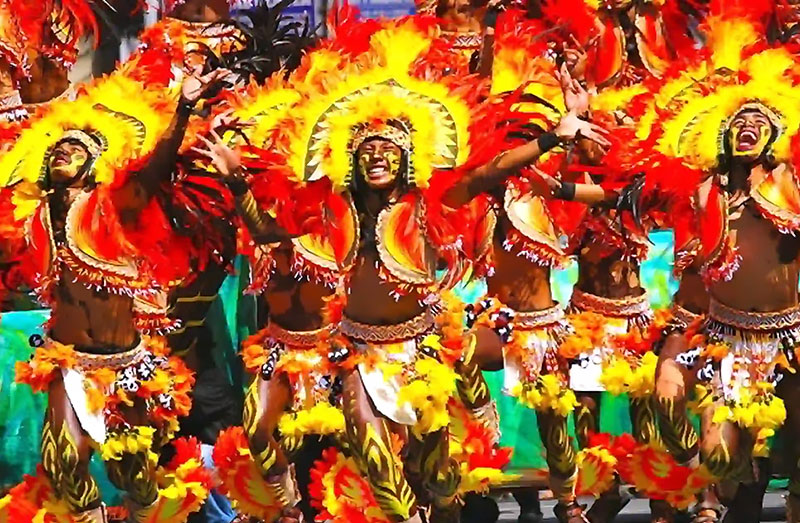
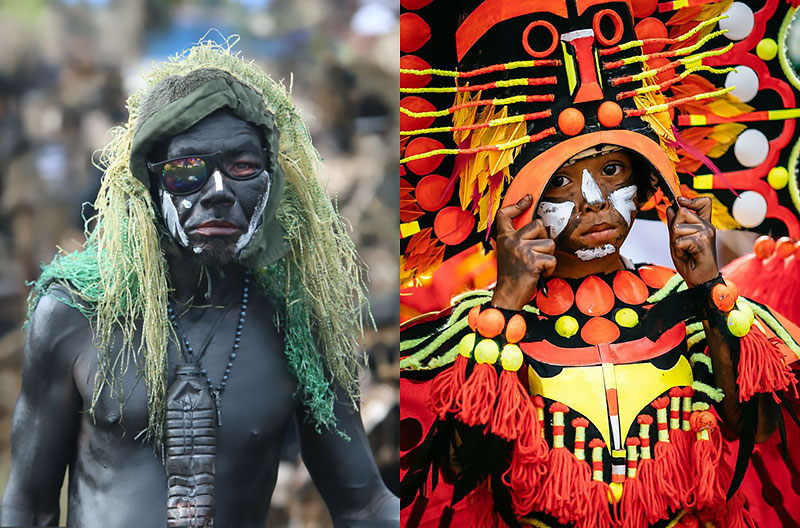
Ati-Atihan is photography at full volume. The festival is famous for its spontaneous street dancing, layered textures, and unfiltered human emotion. Participants paint their faces and bodies black, wear elaborate or improvised costumes, beat drums, chant “Hala Bira,” and dance freely through town.
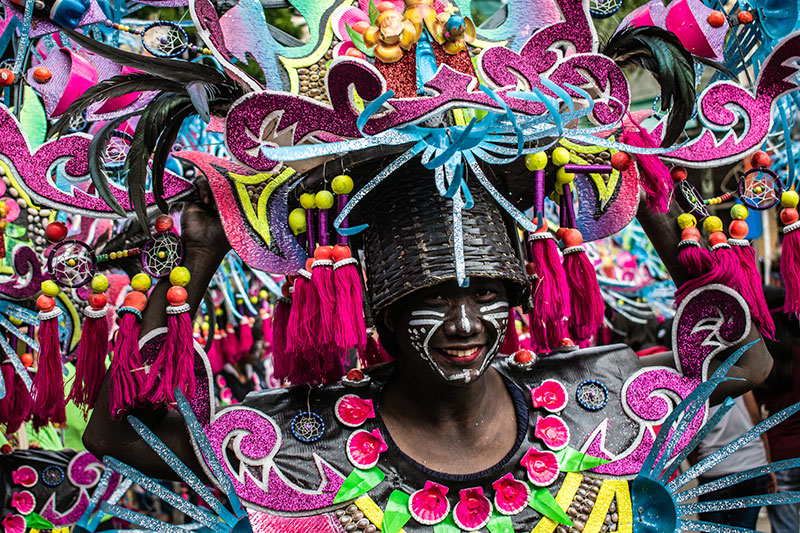
For photographers, the appeal lies in several key elements:
-
Unscripted moments
There are no fixed performance schedules for most street activities. Groups appear suddenly, crowds surge, and moments happen organically. This creates authentic storytelling opportunities. -
Striking visual contrast
Dark body paint against colourful costumes, religious icons carried through muddy streets, sweat, dust, and paint all combine to create gritty, high-impact frames. -
Close interaction
Participants are welcome to bring cameras and often pose, dance, or interact directly with photographers, making it ideal for environmental portraits and close-up documentary work. -
All-day shooting
From early-morning processions to late-night street celebrations, photographers can shoot continuously as light, moods, and scenes change.
Photography Tips for Ati-Atihan
-
Go wide and close: Wide-angle lenses capture scale and energy, while staying close immerses viewers in the action.
-
Protect your gear: Expect paint, water, sweat, and dust. Use rain covers and lens filters.
-
Wear old clothing: You will likely be splashed with paint or water.
-
Respect personal space: While most participants welcome cameras, always read body language and ask when possible.
-
Embrace imperfection: Motion blur, grain, and chaotic framing often enhance the storytelling power of Ati-Atihan images.
When to Go
Ati-Atihan takes place every January, with the main festival weekend usually falling on the third Sunday of the month. Events begin up to a week earlier, but the most intense photography opportunities are concentrated between Friday and Sunday.
For photographers:
-
Friday and Saturday are best for street chaos, crowd energy, and dramatic images.
-
Sunday features the religious procession honouring the Santo Niño, ideal for capturing spiritual and ceremonial moments.
January weather in Kalibo is generally hot and humid, with occasional rain, which adds atmosphere but requires weather-sealed gear or protection.
How to Get There
Kalibo is accessible by domestic flights from major Philippine cities, with flights landing at Kalibo International Airport. From the airport, the town centre is approximately 15 minutes by car.
During festival week, transportation demand is high, so arriving at least one day early is strongly recommended. Accommodation near the town centre allows photographers to move on foot, which is crucial when roads are closed and crowds swell.
Where the Event Takes Place
Ati-Atihan takes place throughout Kalibo town proper, with no single venue. Key areas for photography include:
-
Main streets around the town centre where dance groups roam freely
-
Areas near the church during religious events
-
Public squares where crowds gather and impromptu performances erupt
Because the festival is decentralised, photographers are encouraged to explore side streets, quieter corners, and residential areas, where more intimate and less crowded scenes often emerge.
Closest Places to Stay for the Ati-Atihan Festival
For those planning to stay near the festival, I recommend you book well ahead, and you can easily check the places listed below on booking sites such as Agoda or Booking. Do your own research, read reviews and then make your bookings.
Hotels & Guesthouses in Kalibo Town Proper
(Walking distance or very close to main festival areas such as Pastrana Park, 19 Martyrs Street, and Poblacion)
-
Ati-Atihan Festival Hotel – Budget-friendly and located right in the heart of the festival zone
-
GQ Plaza – Centrally located, comfortable, and popular with festival visitors
-
LaVero Suites – Boutique-style hotel with good reviews
-
Marzon Hotel Kalibo – Well-known mid-range hotel with solid amenities
-
La Esperanza Hotel – Classic choice within walking distance of major activities
-
Hotel Simone – Convenient location and reliable mid-range option
Budget & Simple Accommodations
-
RedDoorz @ D Maagma Street
-
Asia Novo Kalibo
-
RB Bed and Breakfast
-
RedDoorz @ LQJ Hotel Old Buswang Kalibo
-
Hotel Metro and Sky Bar Restaurant
-
RedDoorz Plus @ Hotel Metro Kalibo
-
RedDoorz @ La Trinidad Pension House
-
Center Parkways Pension House
Slightly Farther (Short Tricycle Ride)
-
Vanyard Hotel – Along a main road, still accessible
-
RedDoorz @ Old Buswang Road – Affordable option outside the core area
-
Miggy’s Secret Garden – Resort-style, quieter place to rest after festival days
Helpful Tips
-
Book early – Accommodations fill up fast during Ati-Atihan (January).
-
Stay central – Around Pastrana Park or Poblacion for easy access to street dancing and events.
-
Backup options – Local homestays and pensions may be available closer to the festival dates.
Cultural Notes to Know
Ati-Atihan is both a religious and cultural celebration. While it appears wild and unrestrained, it carries deep spiritual significance for locals. Photographers should be mindful during church events and religious processions, maintaining respectful behaviour at all times.
The festival’s roots trace back centuries and reflect a blending of indigenous traditions and Catholic devotion, making it a rich subject for visual storytelling beyond surface-level spectacle.
For more information, visit the official Kalibo Website for the Ati-Atihan Festival.
Conclusion
The Ati-Atihan Festival for photographers in Kalibo is not a festival you simply photograph from the outside. It pulls photographers into its rhythm, its noise, and its emotion.
For those seeking raw street photography, cultural depth, and images filled with movement and soul, Ati-Atihan offers an experience unlike any other in the Philippines. It is demanding, unpredictable, and unforgettable, exactly the kind of environment where powerful photographic stories are born.



Leave a Reply