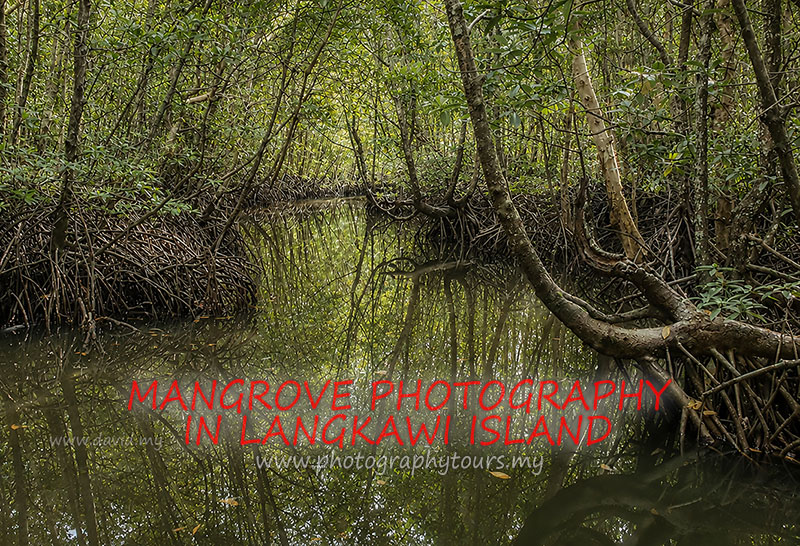
Mangrove Photography in Langkawi, Malaysia
Over the years, I’ve done quite a bit of mangrove photography in Langkawi, Malaysia, and I figured it was time to put together a simple article on the subject. It’s not the most popular type of photography out there, but that’s exactly why I enjoy it — it’s something different from the usual beach sunsets and tourist hotspots that Langkawi is known for.
Mangroves aren’t the easiest subject to photograph, and most people experience them through a boat tour or kayak adventure. Photography groups rarely plan dedicated trips into mangrove forests because of the logistics involved, the unpredictable conditions, and the fact that you really need the right guide or boatman to get the best out of it.
Over the years, I’ve also worked with various tourism boards to promote unique destinations across Malaysia, and Langkawi’s mangroves are definitely among the more underrated experiences. If you enjoy nature and outdoor photography, this is one of those places that quietly surprises you.
This is my personal take on mangrove photography in Langkawi — and why I think it’s worth exploring.
Why Mangrove Photography?
Most people don’t realise how important mangroves are. At first glance, it just looks like a muddy forest with strange roots sticking out everywhere. But after several visits, I came to understand why mangroves are among the most valuable ecosystems in Malaysia. Mangroves act as a natural barrier against erosion, strong tides, and storms. They also play a major role in protecting coastal environments, while providing a nursery habitat for many marine species.
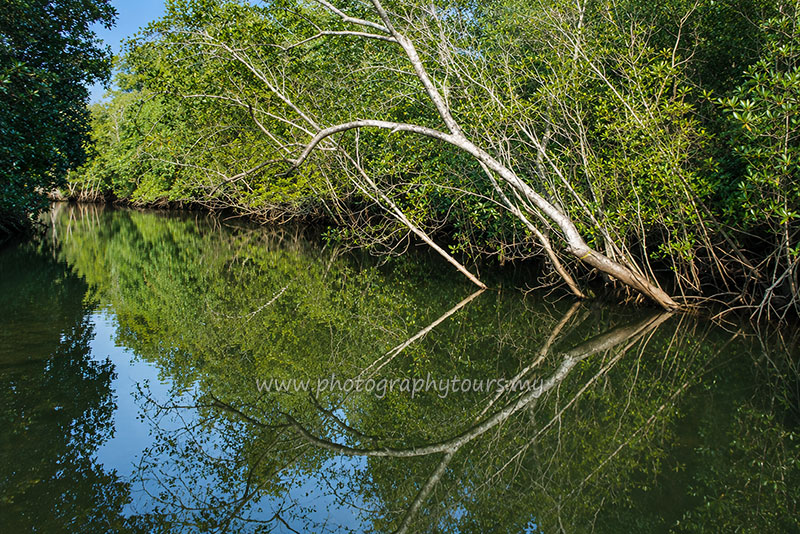
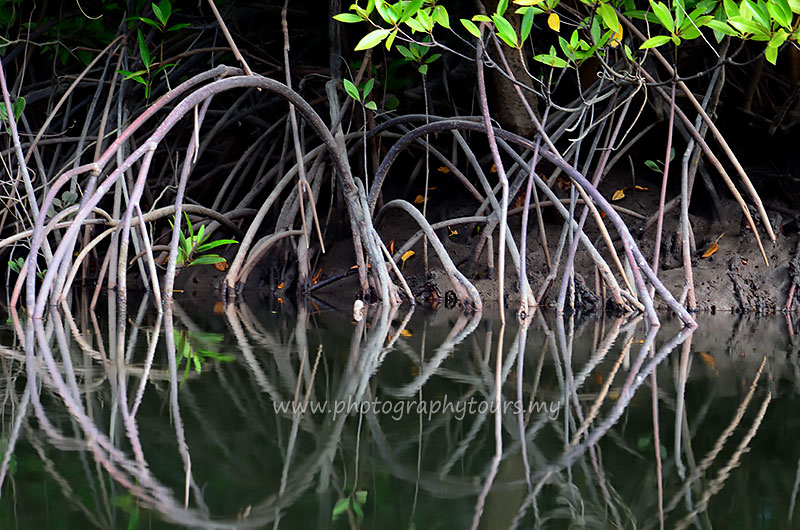
From a photographer’s point of view, mangroves offer something unique: a mix of calm waters, dense greenery, dramatic reflections, and wildlife that feels very different compared to rainforest or birding photography. And honestly, it’s also peaceful. It’s one of the few places in Langkawi where you can slow down and focus on the smaller details.
Flora and Fauna in Langkawi Mangroves
Mangrove photography is not your typical wildlife photography experience. It’s not like going into the jungle hoping to spot large animals. Instead, the mangroves are full of smaller creatures, birds, and interesting natural textures that make photography more creative. Langkawi mangroves are especially fun because there’s a good variety of wildlife if you’re patient (and if your guide knows where to look).
Some of the highlights I’ve personally encountered include:
- Fiddler crabs (always photogenic, and surprisingly entertaining)
- Mudskippers hopping around the muddy banks
- A variety of small to medium-sized crabs
- Reptiles and mangrove insects
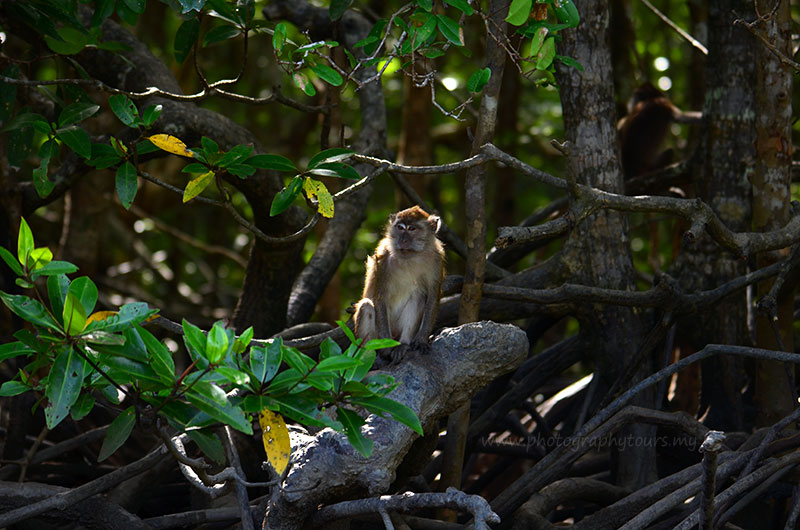
- The occasional primates resting in the trees
- And of course, the birds
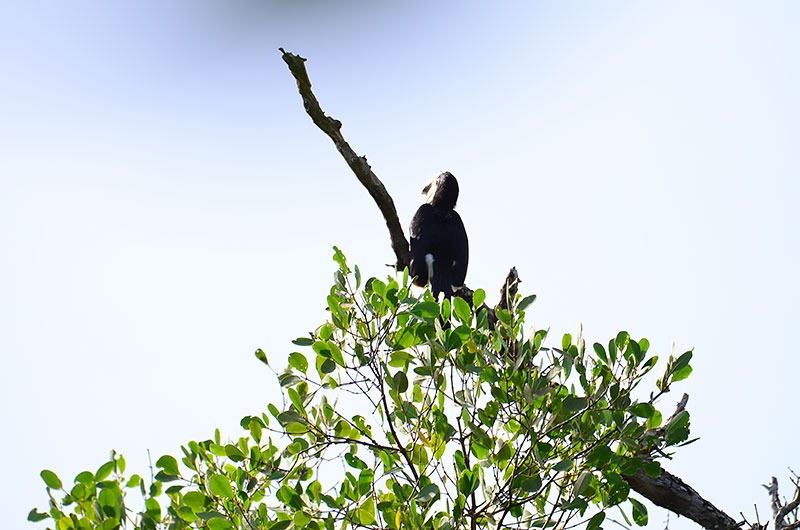
Sometimes, if you’re lucky, you may even spot a hornbill perched high above the mangrove trees, which is always a nice bonus.
Mangrove Species in Langkawi
There are several mangrove species found in Langkawi. If you take a proper boat tour through the mangroves, your nature guide will usually explain the ecosystem in detail, including the different types of mangrove trees and how they survive in salty coastal waters.
For first-timers, I highly recommend going with a guide rather than exploring on your own. The mangrove ecosystem is fascinating, but you’ll appreciate it much more when someone explains what you’re actually looking at.
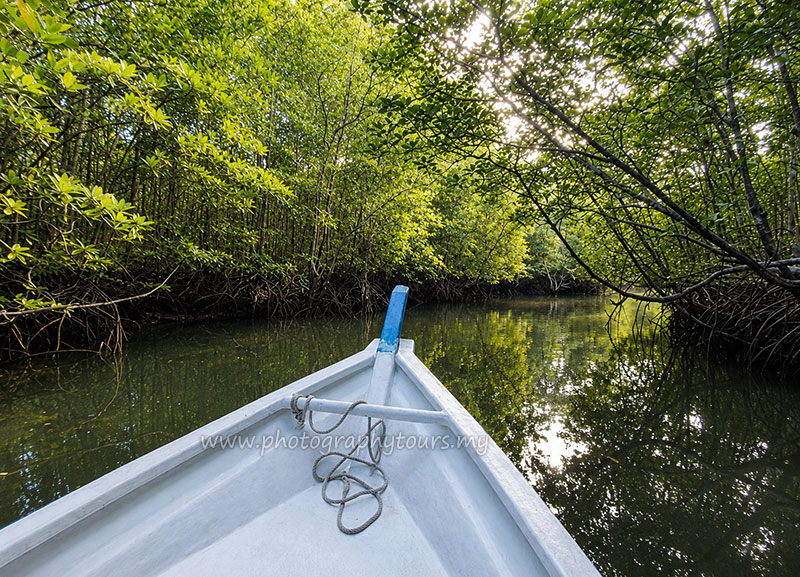
From a photography perspective, the different mangrove species also add variety. Some have dramatic root structures, others grow densely along narrow waterways, and some create natural tunnels of greenery which look amazing in wide-angle shots.
Are Mangroves Safe?
This is a question I get quite often, especially from people who have never visited mangroves before. Some people immediately worry about crocodiles or dangerous wildlife. Haha, but honestly, mangroves in Langkawi are generally very safe, especially if you’re visiting with an experienced boatman and guide.
Most of the wildlife here is relatively tame and avoids humans. You’ll usually encounter:
- Birds
- Reptiles
- Insects
- Small amphibians
- And sometimes primates
As long as you follow basic safety rules (don’t wander off alone, don’t disturb wildlife, and don’t touch unknown plants or animals), mangrove tours are very safe even for families.
What Wildlife Can You See in Langkawi Mangroves?
Wildlife sightings depend heavily on timing, weather, and your guide’s experience. Some days are quiet, while other days you’ll see wildlife everywhere.
Some of the common species you may spot include:
- Crab-eating macaque
- Oriental pied hornbill
- Snakes (occasionally, depending on season)
- Mudskippers
- Fiddler crabs
- Various small mangrove birds and insects
For wildlife photographers, this is a good place to practice patience. You won’t always get dramatic action shots, but you’ll find plenty of interesting moments if you slow down and observe.
How Good is Photography in the Mangroves?
This really depends on what kind of photography you enjoy. Most photographers are immediately drawn to the mangrove landscapes — calm waters, strong reflections, and the tunnel-like scenery created by the trees on both sides. The atmosphere feels quiet and untouched.
But if you take things further, the mangroves can offer a surprising amount of variety, including:
- Wide-Angle Landscape Photography
Perfect for capturing the narrow waterways, reflections, and dramatic natural framing created by the mangrove canopy. - Wildlife Photography
Birds like the Oriental Pied Hornbill, macaques, reptiles, and small creatures can all be photographed if you have a decent zoom lens. - Macro and Close-Up Photography
Crabs, mudskippers, insects, textures, and mangrove roots make great macro subjects. - Creative Photography
The mangroves are excellent for reflections, abstract compositions, patterns, and minimalist nature photography.
If you enjoy nature photography and want something different from the typical tropical travel shots, mangrove photography in Langkawi is definitely worth doing.
Best Time to Visit the Mangroves in Langkawi
In my experience, morning is the best time for mangrove photography. The light is softer, the weather is cooler, and the wildlife is generally more active. As it gets closer to late morning (around 11:00 AM), things tend to slow down and quiet down.
Midday sunlight can also be harsh, especially when it reflects off the water, so the early hours are more comfortable and more photogenic. If you want the best chance of seeing wildlife, always try to start early.
Conclusion
Mangrove photography is one of those genres that most people don’t think about until they experience it themselves. It may not be as glamorous as waterfalls or mountain landscapes, but it has its own charm, and Langkawi is one of the best places in Malaysia to try it.
In the future, I’ll also be writing about other mangrove destinations across Malaysia, sharing the different ecosystems, wildlife, and logistics at each location.
If you’re a photographer visiting this beautiful island, I highly recommend booking a tour and spending a few hours exploring mangrove photography in Langkawi, Malaysia. Who knows? You might end up enjoying it so much that you start planning trips to other mangrove forests around the country.


Leave a Reply